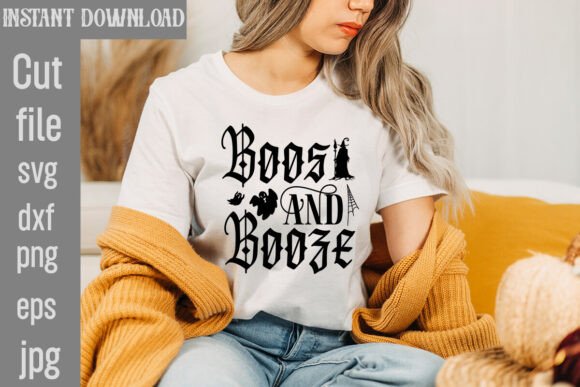
Boos and Booze: A Designer’s Honest Take on This Trendy Embroidery File
First Impressions: What Boos and Booze Communicates Visually
Opening up the Boos and Booze design package, the first thing I noticed was the playful, slightly cheeky vibe. It's the kind of graphic that immediately feels like it belongs on a Halloween-themed sweatshirt or a novelty tote for a boutique. The layout is clean but carries a distinct personality — it’s not overly complex, but it definitely makes a statement. The theme leans toward adult humor, which makes it a great fit for seasonal merchandise, gift items, or even personalized bar-themed apparel.
As a designer, I appreciate how the design balances negative space with key visual elements. The layout feels intentional — not cluttered, yet still detailed enough to hold attention. It’s clearly meant for screen printing or embroidery applications, especially in the t-shirt and lifestyle product niche.
Real-Life Use: How Boos and Booze Performs in Embroidery
I tested this design on a few different mockups — starting with a custom embroidered tote bag and moving to a hoodie mockup for a boutique line. The file scaled surprisingly well, maintaining clarity and visual impact across different sizes. On the tote, it added a fun, casual flair that would appeal to shoppers looking for unique accessories. On the hoodie, it read clearly from a few feet away, which is important when you're designing for visibility and brand recognition.
For machine embroidery, the vector files provided (SVG, DXF, EPS) made it easy to import into my digitizing software. The PNG file was handy for quick previews and mockups, especially when presenting to a client who wanted to see how the design would look before stitching.
One thing I noticed is that Boos and Booze works best when given enough space to breathe. If you're planning to use it on a small item like a baby onesie or a patch, you might need to simplify or resize some of the finer elements. But for standard-sized t-shirts, tote bags, and sweatshirts, it holds up beautifully.
Where to Use Boos and Booze Thoughtfully
Like any design, Boos and Booze has its limitations. It’s not the best choice for very small hoop sizes, especially if your embroidery machine struggles with intricate lettering or tight stitch clusters. I found that the text elements started to lose clarity below a 3-inch width, so keep that in mind if you're planning to use this on baby hats or small pouches.
It also requires some attention when working with textured or stretchy fabrics. On a soft fleece sweatshirt, the satin stitch outlines held their shape well. But on a stretchy cotton blend, I noticed a bit of distortion in the corners unless I used a firm stabilizer underneath. For curved surfaces like caps, I’d recommend testing the placement and possibly adjusting the stitch density to avoid puckering.
Dark fabric backgrounds can also affect the visibility of the design, especially if the file doesn’t include a white underlay or if you're using thread colors that blend too much. I found that using a contrasting thread color helped maintain the design’s punchiness on darker materials.
How Boos and Booze Impacts Product Value and Customer Appeal
From a business perspective, this design has real potential to boost your product line. Whether you're an Etsy seller, a small shop owner, or a creative entrepreneur, Boos and Booze adds a touch of humor and trendiness that can set your items apart. It’s especially effective for seasonal promotions — think Halloween merchandise, holiday gifts, or themed boutique collections.
When stitched cleanly, the design gives off a professional, polished look. It’s not overly busy, so it doesn’t overwhelm the garment. Instead, it enhances the product with a clear message and a cohesive visual style. That’s important for brand consistency and customer trust — especially if you're selling custom apparel or personalized gifts.
On the gift side, this design has “keepsake” potential. It’s not just decorative; it tells a story or evokes a feeling. That makes it more likely to be appreciated and remembered — a big plus for anyone selling personalized products or boutique-style merchandise.
Designer Notes: What to Check Before Stitching Boos and Booze
- Test on scrap fabric first — especially if you're using a new stabilizer or unfamiliar fabric type.
- Check thread color contrast against both light and dark backgrounds to ensure visibility.
- Review stitch density — adjust if needed for stretchy or thick materials.
- Confirm hoop size compatibility before stitching, especially if you're resizing the design.
- Inspect small details like lettering or outlines — they may need tightening or reworking depending on your machine.
- Try black and white mockups to see how the design reads without color distractions.
- Compare light vs. dark fabric backgrounds to determine if underlay stitches are needed.
- Use proper stabilizer based on your fabric type — cut-away for stretchy materials, tear-away for stable cottons.
- Check licensing if you're selling finished items or digital products — make sure you’re covered for commercial use.
Final Thoughts: Is Boos and Booze Worth Adding to Your Design Kit?
Yes — with a few caveats. Boos and Booze is a solid digital embroidery file that brings personality and flexibility to your projects. It works well across a variety of handmade products, from custom apparel to personalized gifts, and its vector format makes it scalable for different uses.
As with any design, success comes down to how you apply it. For the right project — especially one that leans into humor, seasonal themes, or boutique branding — this design can be a real standout. Just remember to test, adjust, and present it thoughtfully to ensure the best possible outcome for your finished product.