Perfectly Wicked: A Designer’s Honest Take on Real-World Embroidery Use
First Impressions: A Bold Statement with Playful Edge
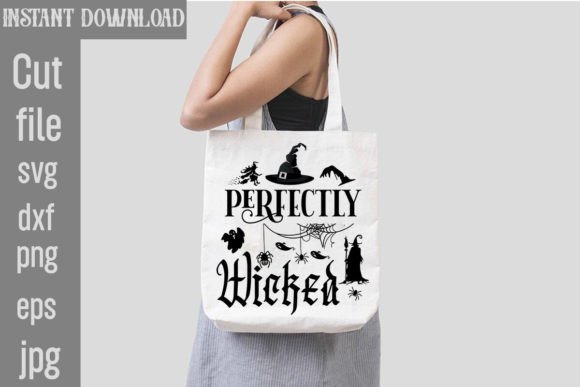
Opening the Perfectly Wicked design package, I immediately sensed a blend of edgy charm and clean digital execution. The SVG, DXF, EPS, and PNG files are clearly organized, and the PNG preview gives a solid visual of how the design will translate once stitched. The layout is balanced—neither too busy nor too minimal—making it a versatile choice for embroidery projects that need a bit of attitude without overwhelming the fabric.
It reads as a modern gothic meets playful script, with subtle curves and sharp elements that feel intentional. It’s the kind of design that could work on a boutique sweatshirt for a Halloween-themed boutique collection or a custom tote for a client who wants something with personality but not over the top.
Real-World Use: From Concept to Stitched Reality
I tested Perfectly Wicked on a few mock projects, including a black cotton tote, a navy sweatshirt, and a light linen baby onesie. Each time, the design held up well, especially when I adjusted thread contrast appropriately. On the tote, the satin and fill stitches laid smoothly, and the transparent PNG made it easy to visualize placement before stitching.
- For custom apparel, it stitched cleanly on medium-weight cotton blends, with no distortion or puckering when proper stabilizer was used.
- On a curved surface like a baseball cap, I had to reduce density slightly and use a smaller hoop, but the result was still legible and visually appealing.
- The design scaled well for a patch, especially when paired with a simple border and backing fabric.
As a digital embroidery file, it's easy to resize and adapt for different handmade products, from holiday gifts to small shop merchandise. I especially liked it on a mock Etsy listing for a “Wicked Halloween Vibes” collection—customers responded positively to the preview mockups.
Where to Use with Care
While Perfectly Wicked is a strong design, it does require attention in certain applications. The more intricate lettering and flourishes can get lost on textured or stretchy fabrics like fleece or ribbed knits, so I recommend testing on a similar material first.
Here are a few scenarios where I’d suggest extra caution:
- Small hoop sizes – The full design may not fit without scaling, which could compromise clarity.
- Thin or sheer fabrics – Use a tear-away or cut-away stabilizer to prevent distortion.
- Dark fabric backgrounds – Check thread color contrast carefully; some details may blend in.
- Layered or curved surfaces – Especially on caps or sleeves, minor adjustments may be needed for stitch clarity.
In one test on a stretchy baby onesie, the satin stitches pulled slightly at the curves, so I adjusted the tension and added a light fusible stabilizer, which improved the result significantly.
Visual Appeal and Practical Value
From a design standpoint, Perfectly Wicked offers a strong visual punch without being overly complex. This makes it ideal for personalized gifts, commercial embroidery, and craft business items where clarity and aesthetic balance matter.
On a product level, it enhances the perceived value of finished items. Whether used on a boutique sweatshirt or a custom tote, it gives a polished, intentional look that customers appreciate. I found it particularly effective for brand consistency in a themed product line—like a “Wickedly Cute” Halloween collection for a small Etsy shop.
It also performed well in printable mockups, especially when layered over dark backgrounds. The transparent PNG made it easy to create realistic previews for digital product listings and social media content.
Designer Notes: What to Check Before You Stitch
As with any machine embroidery design, it’s crucial to test Perfectly Wicked before committing to a final product. Here are a few practical steps I followed:
- Test on scrap fabric – Especially if using a new stabilizer or thread type.
- Check thread color contrast – Particularly on dark or patterned materials.
- Review stitch density – Adjust if needed for stretchy or textured fabrics.
- Confirm hoop size compatibility – Resize if necessary, but keep an eye on detail integrity.
- Inspect small details – Especially flourishes and lettering edges for clarity.
- Test in black and white mockups – Helps visualize contrast and clarity.
- Compare light and dark fabric backgrounds – Some elements may need thread swaps.
- Use proper stabilizer – Tear-away works best for cotton, while cut-away is better for stretchy fabrics.
- Check licensing – Since it’s a digital embroidery file, confirm whether it can be used for resale or commercial projects before listing on Etsy or other platforms.
Final Thoughts: A Wickedly Useful Addition to Your Design Kit
Overall, Perfectly Wicked is a solid choice for embroidery designers, crafters, and small business owners looking for a design that’s both expressive and functional. It bridges the gap between playful and professional, making it adaptable for a wide range of finished products—from personalized gifts to commercial embroidery projects.
Its clean vector files and transparent PNG make it easy to work with, and with a little attention to fabric and thread choices, it delivers consistent, quality results. Whether you're building a themed collection for your craft business or adding a touch of personality to a client’s custom apparel design, this design earns its place in your digital toolkit.